A Comprehensive Guide to Selecting Professional Pit Board Kits for Motorsport Teams

In the world of motorsport, where every fraction of a second counts, effective communication between drivers and pit crews is paramount. A well-designed pit board can significantly impact a team's performance, facilitating quick and clear message relay during races. According to recent statistics, nearly 70% of professional teams consider pit boards as essential tools for communication, especially in high-stakes environments like rally racing and track events. This guide will provide insight into selecting the right pit board kits that meet your specific needs, ensuring your team is equipped to perform at its best. As motorsport enthusiasts and professionals know, the right equipment can enhance performance and improve safety. When it comes to pit board kits, several factors contribute to effective decision-making, from material durability to size and visibility. Understanding these aspects will help you navigate the marketplace to find options that combine quality with compliance to FIA standards, ultimately aiding in the success of your racing endeavors. Race and Rally What to Look for in a Pit Board Kit When choosing a professional pit board kit for your team, several critical factors should guide your decision. A kit that is well-suited for competitive racing will not only facilitate effective communication but also provide durability and ease of use. Here are the key features to consider:
  • Material: Kits made from high-quality, lightweight materials such as aluminum or durable plastics ensure longevity and easy handling.
  • Size: A larger pit board is often more visible, but balance is needed; it should be manageable for quick displays.
  • Visibility: Bright colors and bold lettering enhance readability from a distance, crucial during fast-paced races.
  • Customization: Opt for kits that allow for easy customization of messages to suit different race scenarios.
  • Portability: Choose kits that are easy to transport and set up, as time efficiency is vital during races.
FIA Compliance: Why It Matters Before making a purchase, it's essential to verify that your chosen pit board kit complies with FIA regulations. Compliance with these standards not only ensures safety but also guarantees that the equipment is suitable for competitive racing environments. Non-compliant equipment could lead to disqualification or safety issues during races. A Guide to Choosing Professional Pit Board Kits for Your Team For instance, a recent case in a local rally highlighted how a team was penalized due to using non-compliant signaling devices. By investing in a FIA-compliant pit board kit, you're safeguarding your team against similar setbacks. Researching certifications and checking reviews can provide insights into which brands offer compliant products. Understanding the Different Types of Pit Board Kits Available There are various types of pit board kits available, each designed to cater to different racing environments and team needs. Understanding these options will help you choose the kit that aligns perfectly with your racing strategy. Here are some common types: Standard Pit Board Kits These kits typically include a basic board, markers, and a carrying case. They are perfect for teams starting in motorsport or those participating in amateur events. They offer functionality without excessive features, ensuring simplicity in communication. Digital Pit Boards For teams seeking a technological edge, digital pit boards have become increasingly popular. These boards often come with LED displays that can relay messages in real-time. However, they require a power source and are typically more expensive compared to standard kits. Their visibility and versatility make them ideal for professional teams competing at high levels. Raceandrally.Com Essential Rally Car Parts Every Driver Needs to Succeed Customizable Pit Board Kits Customizable kits allow teams to tailor their boards specifically to their branding or messaging needs. These kits often come with interchangeable letters and numbers, which can be a significant advantage during various racing conditions. The ability to change messages quickly can provide teams with the flexibility needed for different race strategies. How to Maintain Your Pit Board Kit Maintaining your pit board kit is essential for ensuring its longevity and functionality. Here are some practical steps to keep in mind: Regular Cleaning: After each race, clean the surface of your pit board to remove dirt and grease. Check for Damage: Inspect the board and markers for any signs of wear or damage. Replace any broken parts promptly to ensure reliability. Store Properly: When not in use, store the pit board in a protective case to prevent it from getting scratched or damaged during transport. Top Race Car Parts to Upgrade Your Track Performance Update Messages: Make sure to keep your message options up to date based on your team's strategies and changes in driver preferences. Race & Rally Accessories Comparative Analysis: Popular Pit Board Kits in the Market
Brand Type Material Price Range FIA Compliant Brand A Standard Plastic $$ Yes Brand B Digital Aluminum $$$ Yes Brand C Customizable Plastic/Aluminum $$ Yes Brand D Standard Wood $ No
What is the Cost of a Quality Pit Board Kit? Investing in a quality pit board kit can range widely based on the type and features included. On average, standard kits can cost around $50 to $150, while digital options may range from $200 to $500. Customizable kits often fall in the $100 to $300 range. While the initial cost may seem high, consider that a reliable pit board can enhance your team's communication and efficiency, potentially resulting in better race outcomes. For instance, if you are part of a team that competes regularly, investing in a digital pit board could streamline your processes, allowing real-time updates that are crucial in a competitive environment. This is where the value of investing in quality equipment becomes evident, especially when compared to the costs associated with penalties from miscommunication. Choosing the right pit board kit for your team involves careful consideration of various factors, including functionality, compliance, and budget. By prioritizing quality and ensuring compatibility with FIA regulations, you equip your team with the tools necessary for success on the track. When sourcing your pit board kits, consider reputable suppliers that offer a range of options that are durable, compliant, and tailored to your needs. Websites specializing in professional race suits online and other motorsport safety equipment can also provide valuable insights into the best products available. With the right preparation and equipment, your team will be better positioned to tackle the challenges of competitive racing. For teams looking to elevate their performance further, investing in additional pit and paddock tools can be beneficial. This includes reliable communication devices, safety gear, and maintenance tools that help keep your vehicle in top shape throughout the racing season. Frequently Asked Questions about Pit Board Kits How long does it take to set up a pit board kit? Setting up a pit board kit typically takes a few minutes, depending on the complexity of the kit. Standard kits are generally quicker to assemble, while digital kits may require additional setup time for power sources and configurations. How much should I expect to pay for a professional-grade pit board? Professional-grade pit boards can vary widely in cost from $50 for basic models to $500 for advanced digital options. The price often reflects the materials used, features, and compliance with FIA regulations. Is it safe to use wooden pit boards in competitions? While wooden pit boards may be used, they are generally not recommended due to their potential lack of durability and compliance issues. It's advisable to opt for materials like aluminum or high-quality plastics that meet FIA standards. What happens if my pit board kit is not FIA compliant? Using a non-FIA compliant pit board kit can result in penalties, including disqualification from events. It's crucial to ensure all equipment adheres to these standards to avoid any adverse consequences during races. Can I customize messages on my pit board during a race? Yes, customizable pit boards typically allow for quick changes to messages during races. This flexibility is essential for adapting strategies on the fly, depending on race conditions and performance. What should I consider when purchasing a pit board kit online? When buying a pit board kit online, consider the materials, size, visibility features, and customer reviews regarding durability and usability. Additionally, confirm that the product complies with FIA regulations to ensure safety and effectiveness.

Understanding the Technical Regulations for Rally Car Spares

What are the critical technical regulations you need to consider when preparing a rally car? As motorsport enthusiasts and competitors know, rally racing demands not only top-notch driving skills but also adherence to stringent regulations concerning vehicle modifications and parts. Whether you are an amateur racer looking to compete or a professional team preparing for the next event, understanding these regulations is crucial for both safety and performance. This article delves into the specific requirements for rally car spares, including regulatory compliance, sourcing high-quality parts, and ensuring your vehicle is race-ready. By comprehending these technical specifications, you will be better equipped to make informed decisions about your rally car preparation. Race and Rally What Are the FIA Regulations for Rally Car Parts? The International Automobile Federation (FIA) sets forth strict technical regulations that govern all aspects of rally car construction and modifications. These regulations aim to ensure safety, fairness, and competition integrity. Key areas covered by the FIA include weight limits, engine specifications, suspension setups, and safety gear requirements. For instance, rally cars must adhere to specific weight classifications, which vary by category. To meet these specifications, many teams invest in lightweight materials such as carbon fiber to reduce overall vehicle weight while maintaining structural integrity. Top Race Car Parts to Upgrade Your Track Performance Understanding the FIA regulations can be complex, but it is essential to ensure that all modifications are compliant. Regularly consulting the latest FIA regulations can help teams stay informed and avoid costly penalties. For example, if a car is found non-compliant during a scrutineering process, it may be disqualified from an event, which can severely impact a team's season. Where to Buy FIA-Compliant Rally Car Parts? Finding a reliable supplier for FIA-compliant rally car parts can often be challenging. Many enthusiasts and teams struggle to locate a single shop that offers all necessary components, from safety gear to performance enhancements. The best approach is to research specialized online retailers that focus specifically on motorsport. Look for shops that provide detailed product descriptions and confirm compliance with FIA regulations. One recommended strategy is to read reviews from other customers in the motorsport community. This can provide insights into the quality of parts and the reliability of the supplier. Additionally, consider joining online forums or local motorsport clubs where members can share recommendations and experiences regarding various parts suppliers. This communal knowledge can be invaluable in ensuring you source the best parts for your rally car. discount motorsport safety equipment Understanding the Technical Regulations for Rally Car Spares Essential Rally Car Parts for Performance Enhancement When preparing a rally car, specific parts are crucial for enhancing performance. These include suspension components, brake systems, and engine upgrades. Here are some key components to consider:
  1. Suspension System: High-quality suspension is vital for navigating diverse terrains. Upgraded coilovers or adjustable shocks can significantly improve handling and stability.
  2. Braking System: Rally cars must have reliable brakes. Upgrading to a larger brake system or using performance rotors can reduce brake fade and improve stopping power.
  3. Engine Modifications: Performance tuning, such as ECU remapping or upgraded turbochargers, can provide a competitive edge by enhancing horsepower and torque delivery.
  4. Safety Gear: FIA-approved safety gear, such as roll cages, harnesses, and helmets, is non-negotiable for driver protection during rallies.
Investing in these high-quality rally car parts not only boosts performance but also ensures compliance with regulations, which is crucial during competitions. Understanding the Role of Safety Regulations in Rally Preparation Safety regulations are paramount in rally racing, as they directly impact the welfare of drivers and co-drivers. The FIA mandates specific safety equipment, including helmets, fire-resistant suits, and roll cages, that must meet stringent standards. For instance, roll cages must be constructed from high-strength steel and meet precise dimensional specifications to absorb impacts during a crash. Moreover, the FIA regularly updates safety regulations, making it essential for teams to stay informed about the latest developments. Regularly consulting the FIA's official website and attending motorsport conventions can help teams ensure their equipment remains compliant. Failing to comply with safety regulations can lead to severe penalties, including disqualification from events. racing harnesses Essential Rally Car Parts Every Driver Needs to Succeed
«Safety is not just a practice; it's a principle that every rally team must prioritize to ensure the well-being of their drivers.»
The Importance of Vehicle Weight in Rally Racing Vehicle weight plays a crucial role in rally performance. A lighter car can accelerate faster, handle better, and ultimately achieve better stage times. However, achieving optimal weight requires careful planning and adherence to FIA regulations regarding weight limits. To manage weight effectively, teams can invest in lightweight components, such as carbon fiber body panels and aluminum wheels. These materials can help reduce weight without compromising strength and safety. In practical terms, if a rally car exceeds the weight limit set by the FIA, the team may be penalized with time penalties or disqualification. For instance, if the limit for a certain class is 1,200 kg and the car is found to weigh 1,250 kg, it could severely hinder the team's prospects during the championship season. This example highlights the direct relationship between weight management and competitive performance. How to Stay Updated on Rally Regulations and Innovations? In the fast-evolving world of rally racing, staying updated on regulations and innovations is vital for all teams. Regularly reviewing the FIA's official communications, such as newsletters and bulletins, can provide the latest information on rule changes and new technologies. Additionally, participating in motorsport workshops or seminars can offer insights into the latest advancements in car preparation and safety regulations. Moreover, leveraging social media and online communities allows teams to share knowledge and experiences effectively. By following reputable sources and engaging with the wider motorsport community, teams can not only stay informed but also adopt best practices that directly influence their vehicle preparation strategies. An informed approach will ensure your rally car is always compliant and competitive. Frequently Asked Questions About Rally Car Regulations How do I ensure my rally car parts are FIA compliant? To ensure FIA compliance, purchase parts from reputable suppliers that specifically state their products meet FIA regulations. Regularly check the FIA's official site for updates on technical regulations. What is the typical cost of preparing a rally car? The cost can vary greatly, but expect to spend anywhere from $10,000 to over $100,000 depending on the car's condition, modifications, and necessary safety gear. How often do rally regulations change? Rally regulations can change annually, so it is essential to stay informed through the FIA's communications and industry news. What are the most critical safety features for a rally car? Key safety features include a robust roll cage, a fire suppression system, and FIA-approved racing harnesses to protect drivers in case of an accident. Are lightweight materials worth the investment for performance? Yes, lightweight materials can enhance performance significantly by improving acceleration and handling, making them a worthwhile investment in rally preparation.

Selecting the Right Gear Ratio for Track Layouts

Are you struggling to find the ideal gear ratio for your racing needs? Selecting the correct gear ratio can significantly affect your vehicle's performance, acceleration, and overall handling. Whether you're tackling tight corners or stretching your car's legs on a long straight, understanding how gear ratios interact with track layouts is essential for optimizing your vehicle's capabilities. This guide aims to provide you with the knowledge and strategies to choose the right gear ratio for various track configurations. By the end, you'll be equipped to make informed decisions that enhance your racing experience and performance, ensuring you're ready to tackle any course with confidence. racing safety gear Understanding Gear Ratios: What You Need to Know Gear ratios define the relationship between the rotation of the engine and the resulting speed of the wheels. A lower gear ratio means higher acceleration but lower top speed, which is ideal for tracks with many turns. Conversely, a higher gear ratio allows for increased speed but sacrifices acceleration, making it suitable for longer stretches. How to Select the Right Gear Ratio for Different Track Layouts To illustrate, consider a vehicle with a gear ratio of 4.10:1. This means that for every 4.10 rotations of the engine, the wheels complete one rotation. Such a ratio maximizes acceleration and is often favored in short, twisty tracks. On the other hand, a gear ratio of 3.23:1 would allow for a higher speed on a longer track but would reduce acceleration out of corners. Choosing your gear ratio requires a deep understanding of your specific racing environment, so let's break down how to evaluate different track layouts. A Comprehensive Guide to Motorsport Safety Equipment Track Layouts: Which Gear Ratio is Best? Different track layouts present unique challenges that can significantly influence your gear ratio choice. Below is an overview of common types of track layouts and the recommended gear ratios for each:
  1. Tight and Technical Tracks: These circuits feature numerous sharp turns and elevation changes. A lower gear ratio (between 4.00 and 4.56) is generally recommended here to enable quicker acceleration out of corners.
  2. Fast and Flowing Tracks: Tracks with long straights and fewer turns benefit from higher gear ratios (around 3.00 to 3.73) that provide more speed while maintaining adequate torque for cornering.
  3. Mixed Layouts: A combination of both tight and fast sections often requires a middle ground (approximately 3.73 to 4.10) to maintain flexibility across various sections.
Analyzing Your Vehicle's Characteristics The optimal gear ratio is also influenced by your vehicle's power band, weight, and tire sizes. For instance, a lighter vehicle with high horsepower can benefit from a higher gear ratio to maximize speed, while a heavier vehicle may perform better with a lower ratio to improve acceleration. Additionally, the tire size affects the effective gear ratio; larger tires can alter the dynamics and require adjustments to maintain performance. rally car preparation Suppose you are preparing a rally car that weighs 1,200 kg with a 400 hp engine. If your vehicle's power peak occurs at 6,000 RPM and you'll frequently encounter sharp turns, a lower gear ratio around 4.10 would help you stay within the power band during acceleration out of corners. Essential Rally Car Parts Every Driver Needs to Succeed Testing and Tuning for Optimal Performance Once you have a theoretical understanding of the gear ratios suitable for your track layout, the next step involves practical testing and tuning. Implementing a real-world testing phase allows racers to fine-tune their gear selections based on actual performance data. Utilizing timing equipment can help you gauge lap times and identify areas for improvement. While testing on a designated circuit, pay close attention to how the vehicle responds through different sections of the track. Make adjustments as necessary; for example, if you find the car sluggish out of tight corners, consider shifting to a lower gear ratio. Choosing the Best Race Suits for Optimal Comfort and Safety In addition, be sure to take note of any changes in tire wear, fuel consumption, and overall drivability, as these factors can also provide insights into whether your gear ratio choice is on target. Safety Considerations in Gear Ratio Selection When upgrading your gear ratios, always prioritize safety. Ensure all components comply with FIA regulations and standards. This includes your gear set, as improper gear ratios can lead to engine stress, overheating, or even catastrophic failures during races. RaceAndRally Moreover, keep in mind that the installation of new gear ratios may necessitate adjustments to your vehicle's drivetrain, including differential settings and transmission calibration. Ensuring that each component works harmoniously is critical for maintaining safety on the track. Top Race Car Parts to Upgrade Your Track Performance
Remember, a well-prepared vehicle with the right gear ratios significantly improves your competitive edge while enhancing safety during high-stakes racing.
Leveraging Professional Support for Gear Ratio Selection For those who may be unsure about their choices or lack the technical expertise, consider consulting professionals or joining a motorsport community. Engaging with experienced engineers or fellow racers can provide valuable insights and recommendations tailored to your specific situation. Furthermore, many racing teams and shops specialize in vehicle preparation gear and can assist in sourcing reliable parts, ensuring you receive FIA-compliant components suited to your racing needs. Utilizing such resources can ease the financial burden associated with upgrading and ensure you are investing wisely in your vehicle's performance. Comparative Overview of Recommended Gear Ratios
Track Type Recommended Gear Ratio Benefits Drawbacks Tight and Technical 4.00 — 4.56 Enhanced acceleration Lower top speed Fast and Flowing 3.00 — 3.73 Higher top speed Reduced acceleration out of corners Mixed Layouts 3.73 — 4.10 Versatile performance Compromise in both areas
Understanding the differences between the recommended gear ratios for various track layouts can assist you in making well-informed decisions tailored to your racing style and preferences. Localized FAQ: Gear Ratios and Track Layouts How does gear ratio affect acceleration? A lower gear ratio increases acceleration by allowing the engine to provide more torque to the wheels, ideal for tracks with tight corners. What gear ratio is best for a rally car? Typically, a gear ratio between 4.00 and 4.56 is recommended for rally cars, as it enhances acceleration in challenging terrain. How can I test my gear ratio performance? Timing equipment during practice sessions can help you assess your vehicle's performance and identify the optimal gear ratio based on lap times. What safety gear should I consider for high-performance racing? Invest in racing safety gear such as helmets, suits, and harnesses that meet FIA compliance to ensure maximum protection while racing. What happens if I choose the wrong gear ratio? Choosing the wrong gear ratio can lead to reduced performance, increased wear on components, or even mechanical failure during races, compromising safety. Can I change gear ratios easily on my vehicle? Changing gear ratios requires specialized knowledge and tools, and it's crucial to ensure that all modifications comply with safety regulations.

Why Cooling Systems are Critical for Endurance Racing Success

Endurance racing is more than just a test of speed; it's a rigorous evaluation of vehicle performance under extreme conditions. Picture a race team, deep in the heart of a grueling 24-hour endurance event, where every second counts. As the sun sets, temperatures inside the engine bay soar, threatening to compromise both performance and safety. This is where the unsung hero of motorsport comes into play: the cooling system. Understanding the role of effective cooling systems can be the difference between crossing the finish line or succumbing to mechanical failure. For amateur racers and professional teams alike, the stakes are high when it comes to vehicle preparation. As you navigate through the intricacies of racing intercom systems, racing harnesses, and FIA-approved safety gear, one essential component often overlooked is the cooling system. This article delves into why an efficient cooling system is not merely an upgrade but a vital necessity for success in endurance racing. http://answers.snogster.com/index.php?qa=66068&qa_1=essential-tools-every-pit-crew-should-have-in-their-toolkit How Cooling Systems Impact Engine Performance The heart of any racing vehicle is its engine, and maintaining optimal engine temperature is crucial for its performance. An effective cooling system regulates the engine's heat, ensuring that it runs efficiently even under high-stress conditions. Without proper cooling, engines can experience overheating, leading to a significant drop in performance or even catastrophic failure. For example, consider a race car operating at peak performance, generating substantial power. If the cooling system falters, the engine might exceed its optimal temperature range, resulting in detonation or loss of power. This scenario reinforces the necessity of a robust cooling system. Top Race Car Parts to Upgrade Your Track Performance Moreover, the choice of cooling components, such as radiators and intercoolers, plays a critical role in heat dissipation. For instance, a high-performance aluminum radiator not only improves cooling efficiency but also reduces weight, enhancing the vehicle's overall agility. Ensuring that your cooling system can handle the demands of endurance racing is essential for maintaining consistent lap times and overall vehicle reliability. Cooling Systems: A Key to Driver Safety Safety is paramount in racing, and an efficient cooling system contributes significantly to driver safety. Engines that run too hot can lead not only to mechanical failures but also to dangerous situations on the track. Engine failure can result in loss of control, potentially leading to crashes that endanger both the driver and other competitors. Therefore, a well-maintained cooling system is not just about performance but is a critical component of safety protocols in motorsport. Race and Rally Motorsport A Comprehensive Guide to Motorsport Safety Equipment In addition to engine cooling, the cabin temperature also needs to be managed, especially during long races. Drivers operate at peak concentration levels, and a surge in cabin heat can lead to fatigue and decreased focus. Implementing effective cockpit cooling solutions, such as air conditioning units or ventilated seats, can keep drivers comfortable and alert. Taking such precautions is essential for maintaining safe racing conditions. Choosing the Right Cooling System Components When it comes to upgrading your vehicle's cooling system, understanding the various components is crucial. The main elements to consider include radiators, water pumps, coolant types, and fans. Each component has a specific role in ensuring optimal engine functionality. For instance, an aftermarket water pump can increase flow rates, leading to improved cooling efficiency. Additionally, selecting the right type of coolant — one that can withstand high temperatures and protect against corrosion — can prolong the life of your engine components. Essential Rally Car Parts Every Driver Needs to Succeed Investing in high-quality components is essential, especially for endurance racing. While budget options may seem tempting, they often do not provide the reliability or performance needed in competitive scenarios. Instead, consider parts that come with FIA approval, ensuring they meet rigorous safety and performance standards. This investment can pay dividends by reducing the chances of racing incidents caused by cooling failures. RaceAndRally The Consequences of Ignoring Cooling System Upgrades Ignoring cooling system upgrades can lead to dire consequences on the track. A common pitfall is failing to replace aging radiators or hoses, which can lead to leaks or inefficiencies. Such oversights can result in overheating during a race, causing the engine to lose power or even seize entirely. This could potentially cost a team vital points in a championship or end a season prematurely. Why Cooling Systems are Critical for Endurance Racing Success Furthermore, consider the scenario where a team opts for a low-cost, generic cooling solution that does not effectively manage temperatures. During a long, demanding race, the team may find themselves grappling with engine overheating, forcing them to reduce speed or make unplanned pit stops. This can severely hinder their race strategy and ultimately affect their standing. The choice of cooling components is not merely a matter of economics but can significantly impact race outcomes.

«In racing, every component matters, and ignoring the cooling system can cost you the race.»
Are Upgraded Cooling Systems Worth the Investment? For those considering whether the investment in upgraded cooling systems is worthwhile, the answer is a resounding yes. Investing in quality cooling components enhances reliability, performance, and safety during races. Moreover, the peace of mind that comes with knowing your vehicle is equipped to handle the rigors of endurance racing cannot be underestimated. Furthermore, with advancements in technology, many modern cooling systems are designed to be lightweight and more efficient, reducing the overall weight of the vehicle while still providing superior cooling capabilities. This balance of performance and safety makes upgraded cooling systems an intelligent choice for any serious racer. Localized FAQ Heading How often should I service my cooling system for endurance racing? Regular servicing of your cooling system is essential, especially before major races. It is advisable to check the cooling system for leaks and ensure all components are functioning optimally at least once a month leading up to a race. What types of coolant are recommended for racing? For racing, it's best to use a high-performance coolant that offers excellent heat transfer properties and corrosion resistance. Look for coolants specifically designed for high-stress applications and ensure they are FIA compliant. Can I use a stock radiator for endurance racing? While a stock radiator may suffice for normal driving conditions, it may not handle the extreme demands of endurance racing. Upgrading to a high-performance radiator specifically designed for racing is recommended to ensure effective cooling. What are the signs of a failing cooling system during a race? Common signs include fluctuating temperature gauges, steam or coolant leaks, and reduced engine power. If you notice these indicators, it's crucial to address them immediately to avoid engine failure. Is it necessary to upgrade my water pump? Upgrading your water pump can significantly enhance cooling efficiency, especially in high-performance applications. A more powerful pump can improve coolant flow rates, which is vital in endurance racing. How can I improve driver comfort regarding cabin temperature? To improve cabin temperature, consider installing a racing-specific air conditioning system or using ventilated seats. These enhancements help maintain a comfortable environment for drivers during long races.

Understanding the Technical Regulations for Rally Car Spares

What are the critical technical regulations you need to consider when preparing a rally car? As motorsport enthusiasts and competitors know, rally racing demands not only top-notch driving skills but also adherence to stringent regulations concerning vehicle modifications and parts. Whether you are an amateur racer looking to compete or a professional team preparing for the next event, understanding these regulations is crucial for both safety and performance. This article delves into the specific requirements for rally car spares, including regulatory compliance, sourcing high-quality parts, and ensuring your vehicle is race-ready. By comprehending these technical specifications, you will be better equipped to make informed decisions about your rally car preparation. Race & Rally What Are the FIA Regulations for Rally Car Parts? The International Automobile Federation (FIA) sets forth strict technical regulations that govern all aspects of rally car construction and modifications. These regulations aim to ensure safety, fairness, and competition integrity. Key areas covered by the FIA include weight limits, engine specifications, suspension setups, and safety gear requirements. For instance, rally cars must adhere to specific weight classifications, which vary by category. To meet these specifications, many teams invest in lightweight materials such as carbon fiber to reduce overall vehicle weight while maintaining structural integrity. Top Race Car Parts to Upgrade Your Track Performance Understanding the FIA regulations can be complex, but it is essential to ensure that all modifications are compliant. Regularly consulting the latest FIA regulations can help teams stay informed and avoid costly penalties. For example, if a car is found non-compliant during a scrutineering process, it may be disqualified from an event, which can severely impact a team's season. Where to Buy FIA-Compliant Rally Car Parts? Finding a reliable supplier for FIA-compliant rally car parts can often be challenging. Many enthusiasts and teams struggle to locate a single shop that offers all necessary components, from safety gear to performance enhancements. The best approach is to research specialized online retailers that focus specifically on motorsport. Look for shops that provide detailed product descriptions and confirm compliance with FIA regulations. One recommended strategy is to read reviews from other customers in the motorsport community. This can provide insights into the quality of parts and the reliability of the supplier. Additionally, consider joining online forums or local motorsport clubs where members can share recommendations and experiences regarding various parts suppliers. This communal knowledge can be invaluable in ensuring you source the best parts for your rally car. Race and Rally Understanding the Technical Regulations for Rally Car Spares Essential Rally Car Parts for Performance Enhancement When preparing a rally car, specific parts are crucial for enhancing performance. These include suspension components, brake systems, and engine upgrades. Here are some key components to consider:
  1. Suspension System: High-quality suspension is vital for navigating diverse terrains. Upgraded coilovers or adjustable shocks can significantly improve handling and stability.
  2. Braking System: Rally cars must have reliable brakes. Upgrading to a larger brake system or using performance rotors can reduce brake fade and improve stopping power.
  3. Engine Modifications: Performance tuning, such as ECU remapping or upgraded turbochargers, can provide a competitive edge by enhancing horsepower and torque delivery.
  4. Safety Gear: FIA-approved safety gear, such as roll cages, harnesses, and helmets, is non-negotiable for driver protection during rallies.
Investing in these high-quality rally car parts not only boosts performance but also ensures compliance with regulations, which is crucial during competitions. Understanding the Role of Safety Regulations in Rally Preparation Safety regulations are paramount in rally racing, as they directly impact the welfare of drivers and co-drivers. The FIA mandates specific safety equipment, including helmets, fire-resistant suits, and roll cages, that must meet stringent standards. For instance, roll cages must be constructed from high-strength steel and meet precise dimensional specifications to absorb impacts during a crash. Moreover, the FIA regularly updates safety regulations, making it essential for teams to stay informed about the latest developments. Regularly consulting the FIA's official website and attending motorsport conventions can help teams ensure their equipment remains compliant. Failing to comply with safety regulations can lead to severe penalties, including disqualification from events. https://www.Homeremediesblog.com/question/the-latest-technological-innovations-in-modern-race-suits/ Essential Rally Car Parts Every Driver Needs to Succeed
«Safety is not just a practice; it's a principle that every rally team must prioritize to ensure the well-being of their drivers.»
The Importance of Vehicle Weight in Rally Racing Vehicle weight plays a crucial role in rally performance. A lighter car can accelerate faster, handle better, and ultimately achieve better stage times. However, achieving optimal weight requires careful planning and adherence to FIA regulations regarding weight limits. To manage weight effectively, teams can invest in lightweight components, such as carbon fiber body panels and aluminum wheels. These materials can help reduce weight without compromising strength and safety. In practical terms, if a rally car exceeds the weight limit set by the FIA, the team may be penalized with time penalties or disqualification. For instance, if the limit for a certain class is 1,200 kg and the car is found to weigh 1,250 kg, it could severely hinder the team's prospects during the championship season. This example highlights the direct relationship between weight management and competitive performance. How to Stay Updated on Rally Regulations and Innovations? In the fast-evolving world of rally racing, staying updated on regulations and innovations is vital for all teams. Regularly reviewing the FIA's official communications, such as newsletters and bulletins, can provide the latest information on rule changes and new technologies. Additionally, participating in motorsport workshops or seminars can offer insights into the latest advancements in car preparation and safety regulations. Moreover, leveraging social media and online communities allows teams to share knowledge and experiences effectively. By following reputable sources and engaging with the wider motorsport community, teams can not only stay informed but also adopt best practices that directly influence their vehicle preparation strategies. An informed approach will ensure your rally car is always compliant and competitive. Frequently Asked Questions About Rally Car Regulations How do I ensure my rally car parts are FIA compliant? To ensure FIA compliance, purchase parts from reputable suppliers that specifically state their products meet FIA regulations. Regularly check the FIA's official site for updates on technical regulations. What is the typical cost of preparing a rally car? The cost can vary greatly, but expect to spend anywhere from $10,000 to over $100,000 depending on the car's condition, modifications, and necessary safety gear. How often do rally regulations change? Rally regulations can change annually, so it is essential to stay informed through the FIA's communications and industry news. What are the most critical safety features for a rally car? Key safety features include a robust roll cage, a fire suppression system, and FIA-approved racing harnesses to protect drivers in case of an accident. Are lightweight materials worth the investment for performance? Yes, lightweight materials can enhance performance significantly by improving acceleration and handling, making them a worthwhile investment in rally preparation.

Why OMP is a Leading Name in Motorsport Safety Gear

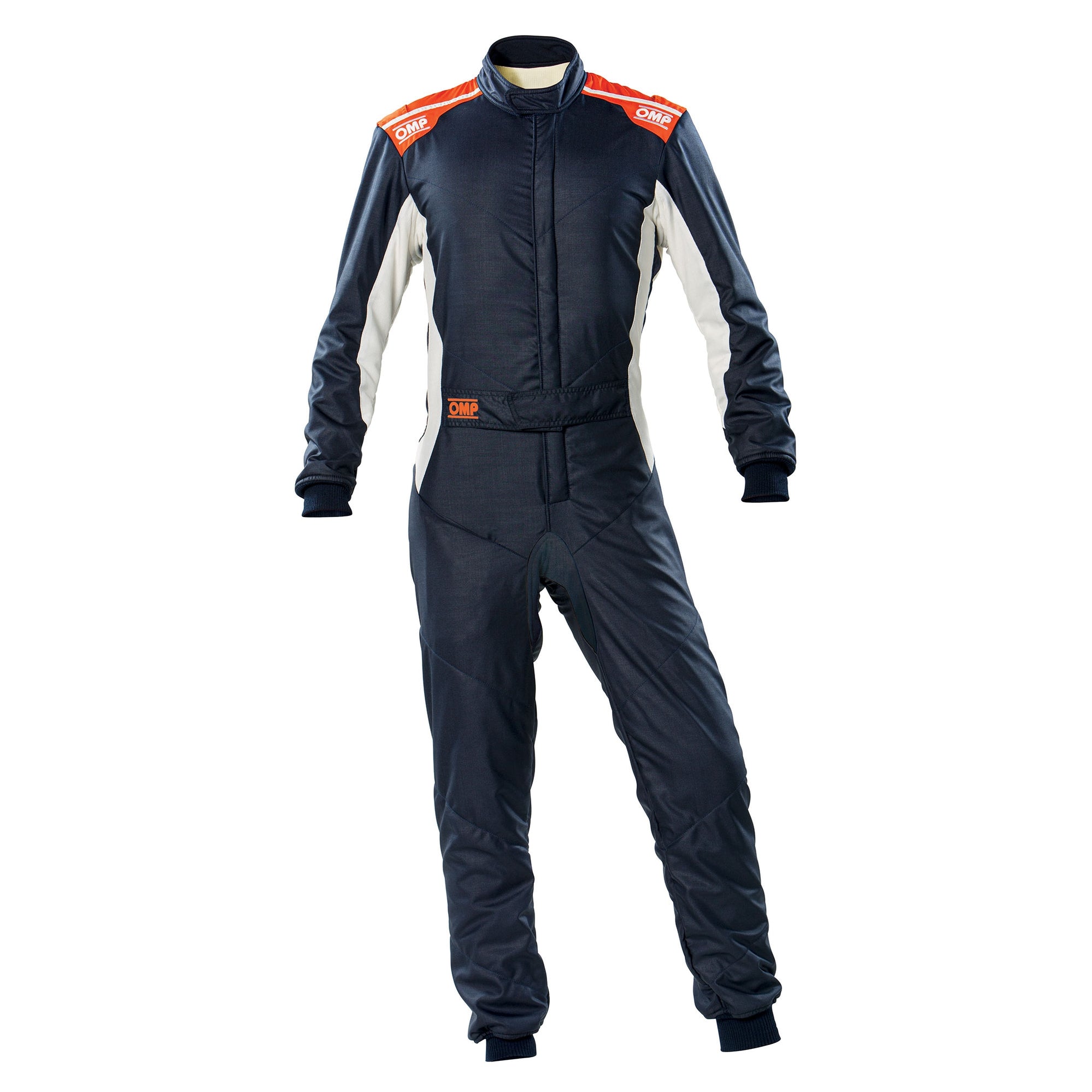
As motorsport continues to evolve, the importance of safety gear has never been more paramount. In a world where vehicle speeds can exceed 200 mph, ensuring that drivers are adequately protected is critical. Did you know that according to FIA statistics, nearly 30% of racing incidents involve injuries that could be mitigated by proper safety gear? This highlights the necessity for high-quality, reliable, and rigorously tested safety equipment-something OMP has mastered over decades. OMP, originally founded in Italy, has been at the forefront of motorsport safety gear for over 50 years. Their commitment to quality and innovation has made them a trusted name among amateur racers and professional teams alike. With an extensive range of products that comply with FIA regulations, OMP offers everything from racing suits and helmets to harnesses and fire extinguishers, each designed with the utmost attention to detail and performance. Race and Rally Essential Rally Car Parts Every Driver Needs to Succeed What Makes OMP Stand Out in Motorsport Safety Gear? OMP's reputation is built on a foundation of quality and dedication to safety. The company employs cutting-edge technology and materials in their products to ensure not only compliance with international standards but also enhanced performance on the track. For example, their racing suits are designed to provide optimal thermal protection, reducing the risk of burns in the event of an accident. Each item undergoes extensive testing to ensure it can withstand the rigors of competitive racing. Innovative Materials for Maximum Protection One key aspect of OMP's safety gear is their use of innovative materials like Nomex and Kevlar. Nomex is a flame-resistant material that is crucial for racing suits, while Kevlar is known for its strength and durability. This combination ensures that the gear protects against both heat and abrasion. For instance, a typical OMP racing suit can withstand temperatures up to 800 degrees Fahrenheit for several seconds, providing critical escape time in emergencies. Why OMP is a Leading Name in Motorsport Safety Gear FIA Compliance and Certification FIA compliance is non-negotiable in the world of motorsports. OMP not only meets but often exceeds the stringent regulations set forth by the FIA. Each product is certified and comes with detailed documentation, assuring drivers and teams that they are using reliable safety gear. This documentation is crucial for professional teams, as any lapse in compliance could lead to disqualification from races. Race & Rally Accessories Cost vs. Quality: Is OMP Worth the Investment? When it comes to motorsport safety gear, the adage «you get what you pay for» holds true. While some may seek discount motorsport safety equipment, investing in OMP gear often pays dividends in performance and safety. While it may involve a higher upfront cost, think of it as an investment in your life and well-being. The durability of OMP products means they will last through countless races, making them a cost-effective choice in the long run. A Comprehensive Guide to Motorsport Safety Equipment Understanding the Price Range of OMP Safety Gear OMP products vary in price based on their features and specifications. For example, a basic racing suit may start around $400, while high-end models with advanced fire resistance and ergonomic designs can exceed $1,500. Helmets from OMP are similarly priced, with entry-level options starting at about $300 and premium models reaching $1,000 or more. The following factors influence the cost:
  1. Material Quality: Higher-quality materials often mean higher costs.
  2. Certification Levels: Products with advanced certifications typically carry a premium.
  3. Customization Options: Personalized gear can lead to increased prices.
  4. Brand Reputation: OMP's established reputation also plays a role in pricing.
Where to Buy OMP Motorsport Safety Equipment Finding OMP products has become more accessible thanks to a range of online and physical retailers. Specialized motorsport shops often stock OMP equipment, and many e-commerce sites offer a broad selection. However, it is crucial to ensure that the vendor is reputable and offers legitimate products. For those looking for local options, visiting motorsport expos or events can provide firsthand experience with the gear and allow for direct purchases. racing harnesses Choosing the Best Race Suits for Optimal Comfort and Safety Online Retailers and Discounts While purchasing from established retailers is advisable, many motorsport enthusiasts often seek discount motorsport safety equipment options online. Websites like Motorsports.com frequently run promotions that make it easier to afford high-quality gear. Additionally, subscribing to newsletters from these retailers can provide insider information on upcoming sales or clearance events, allowing racers to snag bargains on OMP products. OMP's Contribution to Motorsport Culture Beyond just selling safety gear, OMP is deeply ingrained in the motorsport community. Sponsoring events and teams, they actively participate in promoting safe racing practices. Their involvement in the racing community helps raise awareness about the importance of safety gear, especially among amateur racers who may not fully understand the risks involved in motorsport. Top Race Car Parts to Upgrade Your Track Performance Supporting Grassroots Racing Initiatives OMP is also known for supporting grassroots racing initiatives, providing affordable gear options to new racers. This commitment helps foster a culture of safety right from the start. By supplying essential equipment at lower price points, they ensure that even those with limited budgets can access FIA-compliant safety gear. Such initiatives are crucial for attracting new talent and keeping the spirit of motorsport alive. Conclusion: Prioritizing Safety with OMP When it comes to motorsport safety gear, OMP is a name synonymous with quality, reliability, and performance. Their extensive range of products ensures that both amateur and professional racers can find the right equipment to meet their needs. Investing in OMP gear is an investment in safety and performance, making it a premier choice for those serious about racing. Frequently Asked Questions How long does OMP gear last? OMP gear is designed for durability, with most products lasting several seasons depending on usage and care. Regular inspections and proper maintenance can extend their lifespan even further. Is OMP safety gear suitable for amateur racing? Absolutely! OMP offers a range of FIA-compliant products that are perfect for both amateur and professional racers, ensuring safety without compromising on comfort or performance. How do I know if my OMP gear is FIA compliant? Each OMP product comes with a certification tag and documentation outlining its compliance with FIA standards, which is essential for participating in sanctioned racing events. Can I customize my OMP gear? OMP offers customization options for certain products, allowing racers to add personal touches or branding, which can enhance team identity while maintaining compliance. Where can I find OMP products at a discount? Many online retailers offer sales and discounts on OMP gear. Websites that specialize in motorsport equipment often have clearance sales, making it easier to find affordable options.